
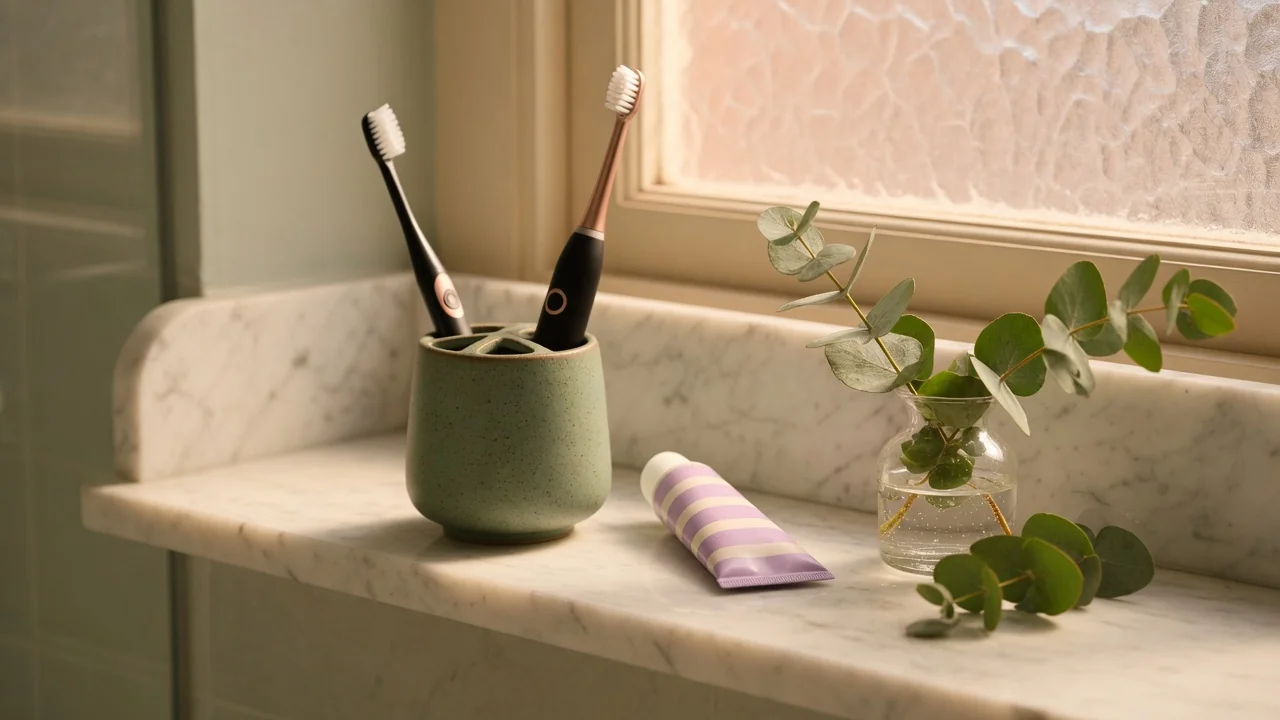
If a sip of iced tea or a bite of warm pie makes you wince, you are not alone. Tooth sensitivity is one of the most common reasons people change their oral care routine—and the toothpaste you choose can make a real difference. Finding the best toothpaste for sensitive teeth is less about flashy packaging and more about the right active ingredients, gentle cleaning, and habits that protect your enamel over time.
At Goodlettsville Family Dentist, we talk with patients every week who are frustrated by sudden zings of pain. The good news is that many people get meaningful relief with the right desensitizing toothpaste, used consistently, plus a few smart tweaks to brushing and diet. This buying guide walks you through what actually works, what to avoid, and how to shop with confidence.
Whether your sensitivity is mild or has been bothering you for months, understanding the science behind these products helps you spend your money wisely and protect your smile for the long run.

Why Teeth Become Sensitive in the First Place
Tooth sensitivity usually happens when the protective outer layer of enamel wears down or when gums recede and expose dentin. Dentin contains tiny tubules that lead toward the nerve of the tooth. When cold, heat, sweet foods, or even air hit those open pathways, you feel a sharp jolt.
Common triggers include aggressive brushing, acidic drinks, grinding, gum recession, and worn fillings. Whitening products can also temporarily increase sensitivity. If you are exploring brighter options, it helps to review professional teeth whitening in Goodlettsville with a plan that protects comfort, not just shade.
Sensitivity is a symptom, not a diagnosis. A cracked tooth, cavity, or gum issue can feel the same as “everyday” sensitivity. That is why a professional exam still matters even when toothpaste helps.
What to Look for in the Best Toothpaste for Sensitive Teeth
Not every “sensitive” label is equal. When you compare boxes at the store, focus on proven ingredients and how the paste cleans without being harsh.
Potassium Nitrate: Calming the Nerve Response
Potassium nitrate is one of the most researched desensitizing agents in over-the-counter toothpaste. It works by calming the nerve inside the tooth so it does not overreact to temperature and touch. Many patients notice gradual improvement when they use a potassium nitrate toothpaste twice a day for at least two weeks.
Consistency matters more than brand loyalty. Skipping days or switching back and forth can slow results. Think of it as training the nerve to settle down—regular use is part of the treatment.
Stannous Fluoride: Protection Plus Sensitivity Relief
Stannous fluoride is another standout ingredient. It helps remineralize enamel, fights cavity-causing bacteria, and can block dentin tubules so triggers have a harder time reaching the nerve. Some modern formulas use stabilized stannous fluoride to deliver both cavity protection and sensitivity relief in one tube.
If you have a history of cavities along with sensitivity, a stannous fluoride option is often a smart dual-purpose choice. Your dental team can help you decide whether potassium nitrate, stannous fluoride, or a product that combines benefits fits your mouth best.
Other Helpful Features on the Label
- Fluoride for cavity defense — Sensitivity toothpaste should still protect against decay.
- Low abrasivity — Look for gentle cleaning rather than “deep scrub” or heavy whitening claims.
- ADA Seal of Acceptance — This indicates the product has been evaluated for safety and effectiveness.
- No harsh “tartar control only” marketing if it leaves your teeth feeling scraped or raw.
Be cautious with charcoal pastes, highly abrasive whitening formulas, and anything that promises overnight miracles. Strong abrasives can worsen enamel wear and make sensitivity harder to manage.
How to Choose Among Popular Sensitive Toothpaste Types
Once you know the ingredients, shopping gets easier. Most options fall into a few practical categories.
Daily Sensitivity Relief Pastes
These are built around potassium nitrate or stannous fluoride and are meant for morning and night use. They are usually the best starting point if cold drinks or brushing along the gumline sting. Give any new paste at least 14 continuous days before you decide it “doesn’t work.”
Sensitivity Plus Gum Care Formulas
If your gums bleed easily or look puffy, a paste that supports gum health while reducing sensitivity can be useful. Soft-bristle brushing and gentle technique still matter more than any marketing claim on the box.
Sensitivity Formulas for Whitening Seekers
Some people want a brighter smile without paying for it in pain. Mild whitening-plus-sensitivity pastes exist, but they are not ideal for everyone. If sensitivity is already significant, stabilize comfort first, then discuss safer brightening options at your next visit. You can always browse more oral health tips on our dental blog while you build a plan that fits your goals.
A Simple Buying Checklist for Goodlettsville Shoppers
Use this quick list the next time you are standing in the oral care aisle:
- Does it contain potassium nitrate, stannous fluoride, or both approaches to relief?
- Is fluoride included for cavity protection?
- Is the paste marketed as gentle rather than intensely abrasive?
- Does it carry trusted third-party recognition, such as the ADA Seal when available?
- Can you commit to using it twice daily for several weeks?
Price is not always a quality signal. A mid-range desensitizing toothpaste used every day will outperform an expensive tube that sits unused because you dislike the flavor. Flavor and foam level are personal—pick something you will actually finish.
Habits That Make Any Sensitivity Toothpaste Work Better
Toothpaste is only one piece of the comfort puzzle. Pair your product with habits that protect enamel and calm triggers.
Brush with a soft-bristled brush and light pressure. Heavy scrubbing along the gumline can wear notches into teeth and push gums back. Use a pea-sized amount of paste, and consider spitting without aggressive rinsing so active ingredients linger a bit longer. Wait about 30 minutes after acidic foods or drinks before brushing so softened enamel is not scrubbed away.
Cut back on frequent sipping of soda, citrus waters, energy drinks, and pure lemon shots. If you grind your teeth at night, mention it at your appointment—an untreated grinding habit can undo the benefits of even the best toothpaste for sensitive teeth.
Home care still has limits. Ongoing pain, swelling, a tooth that hurts spontaneously, or sensitivity that shoots into your jaw deserves a professional look. Our team can evaluate whether the issue is simple dentin exposure or something that needs restorative care.
When Toothpaste Is Not Enough
Desensitizing toothpaste helps many people, but it is not a cure-all. You may need additional treatment if enamel is badly worn, a filling is leaking, or a nerve is inflamed. In those cases, options might include in-office desensitizers, bonding over exposed areas, a night guard, or other restorative care.
If you are new to our practice, start with a comfortable introduction through your first dental visit. We will review your symptoms, check for hidden causes, and recommend products that match what we see in your mouth—not just what is trending online.
Patients sometimes wait months hoping a new tube will fix a deeper problem. If two to four weeks of correct use bring little change, call us. Early attention is almost always simpler and more affordable than waiting until pain escalates.
Local Recommendations from a Family Dental Perspective
For most Goodlettsville patients with everyday temperature sensitivity, we recommend starting with a fluoride toothpaste that features potassium nitrate or stannous fluoride, used twice daily without frequent brand-hopping. Keep whitening pastes minimal until comfort improves. Replace your toothbrush every three months, or sooner if bristles splay.
Store brands can be fine when the active ingredients match what clinical research supports. Read the “Active Ingredients” panel rather than relying on front-label buzzwords. If you have multiple issues—sensitivity, dry mouth, or a high cavity risk—ask us to prioritize. One well-chosen paste is better than three half-used tubes fighting for space on your sink.
We also encourage patients to bring their current toothpaste to appointments. A 10-second label check can confirm you are on the right track or reveal why progress has stalled.
Putting It All Together
Choosing the best toothpaste for sensitive teeth comes down to evidence-based ingredients, gentle daily use, and knowing when to get professional help. Potassium nitrate helps quiet nerve response. Stannous fluoride supports enamel, fights bacteria, and can seal pathways that transmit pain. Combine either approach with soft brushing, smarter sip habits, and regular dental visits, and most people notice a calmer, more confident smile.
Sensitive teeth should not dictate what you eat, drink, or enjoy with family. With the right paste and a little guidance, comfort is a realistic goal—not a luxury.
If pain is holding you back, or you simply want a personalized product recommendation, we are here to help. Explore our practice at Goodlettsville Family Dentist, or reach out through our contact page with questions before you book.
Schedule your appointment at Goodlettsville Family Dentist today. Call us at (615) 855-0087 or visit our office at 919 Conference Drive Ste 5, Goodlettsville, TN 37072.