
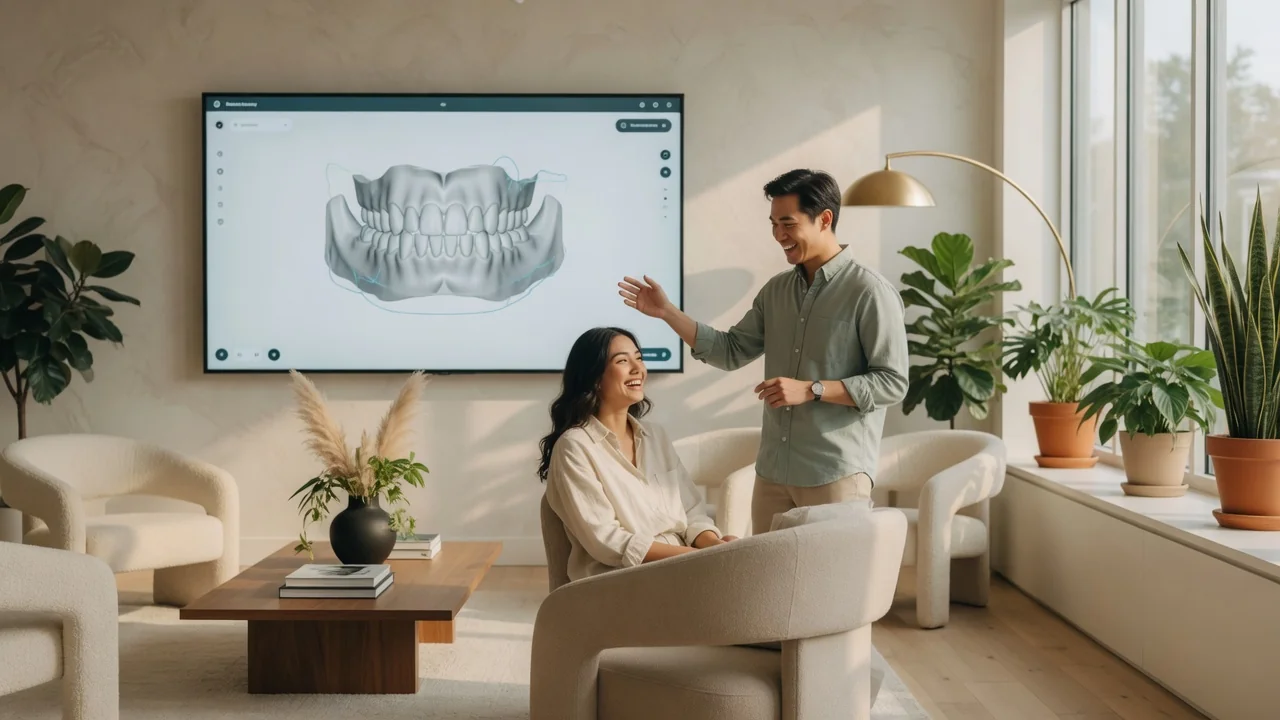
If you have ever sat in a dental chair and felt a little uneasy when the lead apron came out, you are not alone. Many Goodlettsville patients—especially parents—wonder about dental x rays safety and whether the benefits truly outweigh any risk. It is a smart question to ask, and we are glad you are looking for clear answers.
Modern dentistry relies on imaging to catch problems early, plan treatment accurately, and protect your long-term oral health. At the same time, nobody wants unnecessary radiation. The good news is that today’s digital technology has changed the conversation in a big way.
In this guide, we will walk through how dental X-rays work, how much radiation is actually involved, why digital systems are safer than older film methods, and what families in Goodlettsville can expect at our office. Our goal is simple: help you feel informed and confident the next time imaging is recommended.

Why Dental X-Rays Matter More Than You Might Think
A visual exam is essential, but it only shows what is on the surface. Cavities between teeth, infections at the root tip, bone loss, impacted teeth, and developmental issues often hide where eyes and instruments cannot reach. X-rays give your dentist a complete picture so small problems do not turn into big ones.
Without imaging, conditions can progress quietly. A tiny cavity can become a deep infection. An impacted wisdom tooth can damage neighboring teeth. Early bone changes linked to gum disease can go unnoticed until teeth feel loose. Catching these issues early usually means simpler, more comfortable, and more affordable care.
That is why imaging is a standard part of comprehensive care, including when you are planning procedures such as dental crowns in Goodlettsville or evaluating whether a tooth can be saved. Clear diagnostics support better decisions for every smile in the family.
Digital X-Rays vs. Traditional Film: A Safety Upgrade
If your last dental X-rays were years ago, you may remember waiting for film to develop and wearing a heavier apron setup. Digital radiography is different. Sensors capture images instantly and display them on a screen within seconds. Beyond convenience, the biggest advantage is reduced radiation exposure.
Digital systems typically require far less radiation than traditional film—often up to 80–90% less, depending on the equipment and technique. Images can also be enhanced on screen, which means fewer retakes. Fewer retakes mean less exposure and a smoother visit for kids and adults alike.
At Goodlettsville Family Dentist, we use modern digital imaging because it supports both excellent diagnostics and strong dental x rays safety standards. You get the clinical detail we need with a thoughtfully minimized dose.
How Much Radiation Are We Really Talking About?
Radiation can sound alarming until you put the numbers in everyday context. We are all exposed to small amounts of background radiation from the sun, soil, air travel, and even some foods. Dental X-rays add only a tiny amount on top of that baseline.
A set of digital bitewing X-rays is commonly compared to the natural background radiation you might receive over a day or two of normal living. A panoramic image is still relatively low. By comparison, a cross-country flight or a day in the sun can expose you to similar or greater levels than many routine dental images.
Of course, “low” does not mean “careless.” Dentistry follows the ALARA principle: As Low As Reasonably Achievable. That means we only take images when they are clinically useful, use the lowest practical settings, and protect sensitive areas with shielding when appropriate.
Quick comparisons that put exposure in perspective
- Digital bitewings: very small dose, often comparable to a short period of everyday background radiation
- Panoramic X-ray: still low, useful for overall jaw and tooth development views
- Medical CT scans: significantly higher than routine dental imaging
- Natural background radiation: ongoing exposure we all receive daily
These comparisons are not meant to dismiss concerns. They help separate fear from facts so you can make calm, informed choices about your care and your children’s care.
Are Dental X-Rays Safe for Children?
Parents ask this more than any other group—and for good reason. Kids are growing, and their tissues are more sensitive. The reassuring truth is that pediatric dental imaging is carefully tailored. We do not take a “one size fits all” approach.
For children, timing and frequency depend on age, cavity risk, orthodontic needs, and what we can already see clinically. A child with a history of cavities may need images more often than a child with excellent hygiene and low risk. A teen being evaluated for wisdom tooth extractions in Goodlettsville may need imaging to check position and potential crowding before symptoms appear.
We also use child-sized sensors when possible, shorter exposure times, and protective aprons and thyroid collars as indicated. The aim is always the same: get the diagnostic information that protects their smile while keeping exposure as low as possible.
How Often Should You Get Dental X-Rays?
There is no universal schedule that fits every person. Guidelines from dental organizations support individualized decisions based on risk. Someone with excellent oral health and no symptoms may need bitewings less often than someone with active decay, gum disease, or complex restorations.
New patients often need a baseline set so we understand your full dental history beneath the surface. If you are preparing for your first dental visit with our team, we will review any recent images you already have and only recommend what is necessary. Bringing prior X-rays when possible can reduce repeat exposure.
During routine care, we reassess at each exam. If nothing has changed and your risk is low, we can often extend the interval. If we see signs of trouble, timely images can prevent pain and more invasive treatment later.
What Safety Steps You Can Expect in Our Office
Technology is only part of the safety picture. Protocols matter just as much. When you visit our practice, you can expect a thoughtful process designed around both accuracy and comfort.
We begin by reviewing your health history and previous imaging. We explain why an image is recommended in plain language—not jargon. Digital sensors and carefully aimed beams help limit the field of exposure. Protective shielding is used when appropriate, and our team is trained to position images correctly the first time.
If you are pregnant or think you might be, tell us before any imaging. In many cases, routine X-rays can be postponed. When an image is truly needed for urgent care, additional precautions are taken. Open communication helps us tailor decisions to your situation.
Curious about the people behind your care? You can meet our team and learn more about the professionals who prioritize both clinical excellence and patient comfort every day.
Common Myths About Dental X-Ray Safety
Myth one: “Dental X-rays are like getting a medical CT scan.” In reality, doses differ dramatically. Routine dental images are a fraction of many medical imaging procedures.
Myth two: “If I feel fine, I do not need X-rays.” Many dental problems are silent until they are advanced. Waiting for pain often means waiting too long.
Myth three: “Digital is only faster, not safer.” Speed is nice, but the reduced radiation and fewer retakes are the real safety wins for families.
Myth four: “Kids should never have X-rays.” Avoiding necessary images can allow decay or developmental issues to progress. The safer path is selective, low-dose imaging based on real clinical need.
How X-Rays Support Better Treatment Outcomes
Accurate images do more than find cavities. They guide gentle, precise care. Before root canal therapy, imaging confirms infection and root anatomy. Before placing a crown, X-rays help evaluate the tooth’s foundation. When planning implants or extractions, they reveal bone levels and nearby structures that must be protected.
In other words, strong diagnostics support conservative dentistry. We would rather spot a small issue early than manage an emergency later. That philosophy is central to how we care for Goodlettsville families.
If you enjoy practical dental tips and patient-focused education, explore more articles on our dental blog for ongoing guidance between visits.
Questions to Ask at Your Next Appointment
Feeling empowered starts with good questions. Consider asking:
- Why is this image recommended right now?
- Is a digital sensor being used?
- How will the results change my treatment plan?
- Can we use recent X-rays from another office?
- What is my personal risk level for cavities or gum disease?
A trustworthy dental team welcomes these conversations. You deserve clear explanations, not pressure. When you understand the “why,” it is easier to feel at ease about the “how.”
The Bottom Line on Dental X-Rays Safety
Dental x rays safety has improved dramatically with digital technology, individualized scheduling, and protective protocols. For most patients, the diagnostic value far outweighs the very small exposure involved—especially when images prevent larger problems, more complex procedures, and greater overall health risks down the road.
Parents can feel confident that children’s imaging is approached with extra care. Adults with complex dental histories can appreciate how X-rays protect investments like crowns, implants, and orthodontic results. And everyone benefits from earlier detection and more predictable treatment.
If it has been a while since your last comprehensive exam, or if you have been putting off care because of radiation concerns, we are here to talk through it with honesty and respect. Your comfort matters as much as your clinical results.
Schedule your appointment at Goodlettsville Family Dentist today. Call us at (615) 855-0087 or visit our office at 919 Conference Drive Ste 5, Goodlettsville, TN 37072.