

Cavity Causes and Prevention: Advice from Your Goodlettsville Family Dentist
If you have ever wondered what causes cavities, you are not alone. Tooth decay is one of the most common health problems for kids and adults in Goodlettsville and beyond. The good news is that most cavities are preventable when you understand how they form and what you can do every day to stop them.
At Goodlettsville Family Dentist, we talk with parents and adults about cavities every week. Some people blame “soft teeth.” Others think sugar alone is the villain. The real story is a bit more interesting—and knowing it can help you protect your smile for life.
In this guide, we will walk through the science behind tooth decay, the role of sugar, bacteria, and saliva, better brushing technique, and practical prevention tips your whole family can use. Whether you are packing school lunches or trying to keep your own teeth healthy into your forties and beyond, this advice is for you.
What Causes Cavities? The Simple Science
A cavity is a hole in the hard outer surface of a tooth. It does not appear overnight. It is the end result of a process called tooth decay, and that process needs a few ingredients to get started.
Here is what has to come together:
- Bacteria that live in your mouth
- Sugars and starches from the foods and drinks you enjoy
- Time for acid to sit on the tooth surface
- A tooth surface that is vulnerable to demineralization
Your mouth is home to hundreds of types of bacteria. Many are harmless. Some are helpful. A few, especially certain streptococci, feed on sugars and produce acid as a byproduct. That acid softens and dissolves minerals in enamel—the shiny, protective outer layer of your teeth.
When acid attacks happen often and your mouth does not get enough time to recover, minerals keep leaching out. Over time, the enamel weakens, a soft spot forms, and a cavity develops. Once decay reaches the softer dentin underneath, it can spread faster and may eventually reach the nerve, which is when pain, infection, or the need for a root canal treatment in Goodlettsville can enter the picture.
It Is Not Just “Too Much Candy”
Sugar plays a starring role, but frequency matters as much as amount. Sipping sweet tea all afternoon, snacking on crackers every hour, or letting a toddler walk around with a juice cup keeps acid levels high for long stretches. Your teeth never get a break.
Starches count too. Bread, chips, crackers, and pretzels break down into sugars. Sticky foods cling to grooves and between teeth, giving bacteria a longer feast. That is why “healthy” snacks can still contribute to cavities if oral hygiene and timing are off.
The Role of Bacteria, Plaque, and Biofilm
Plaque is a sticky biofilm that forms on teeth within hours after brushing. It is packed with bacteria. When you eat or drink something with sugar or starch, those bacteria convert it into acid within minutes.
If plaque is not removed regularly with brushing and flossing, it thickens and can harden into tartar. Tartar makes it harder to clean effectively at home and creates rough surfaces where more bacteria thrive. That is one reason professional cleanings matter even when you are diligent with your routine.
Everyone has oral bacteria. You cannot—and should not try to—sterilize your mouth. The goal is balance: keep plaque levels low, limit how often bacteria get fed, and support your body’s natural defenses.
How Saliva Protects Your Teeth
Saliva is one of your best natural cavity fighters, and it often gets overlooked. It rinses food particles away, dilutes acids, and carries minerals like calcium and phosphate that help rebuild early weak spots in enamel. This repair process is called remineralization.
When saliva flow is low, your risk of cavities goes up. Dry mouth can come from medications, mouth breathing, certain health conditions, dehydration, or aging. If you often feel like your mouth is dry, mention it at your next visit. We can suggest products, habits, and treatment options that help.
Chewing sugar-free gum with xylitol after meals can stimulate saliva and may reduce cavity-causing bacteria. Water is also a simple hero—sip it throughout the day, especially after coffee, soda, or snacks.
Brushing Technique Matters More Than You Think
Most people brush, but not everyone brushes in a way that truly disrupts plaque. Technique, timing, and tools all influence whether you are preventing cavities or mostly just freshening your breath.
A Cavity-Fighting Brushing Routine
- Brush twice a day for a full two minutes—morning and night are non-negotiable.
- Use a soft-bristled brush and fluoride toothpaste. Hard bristles can wear enamel and irritate gums without cleaning better.
- Angle the brush at about 45 degrees toward the gumline. Gently sweep or use small circles rather than aggressive scrubbing.
- Cover every surface: outer, inner, and chewing surfaces. Do not forget the tongue.
- Replace your brush or brush head every three months, or sooner if bristles fray.
Nighttime brushing is especially important. Saliva flow drops while you sleep, so leftover plaque and sugar have freer rein to produce acid overnight. Help kids build the habit early, and supervise little ones until they have the dexterity to do a thorough job—usually around age seven or eight.
Flossing once daily cleans the tight contacts between teeth where brushes cannot reach. Many cavities start in those in-between spaces. Interdental brushes or a water flosser can help if traditional floss is difficult.
Fluoride, Diet, and Other Proven Prevention Strategies
Understanding what causes cavities is half the battle. The other half is stacking simple habits in your favor.
Use Fluoride Wisely
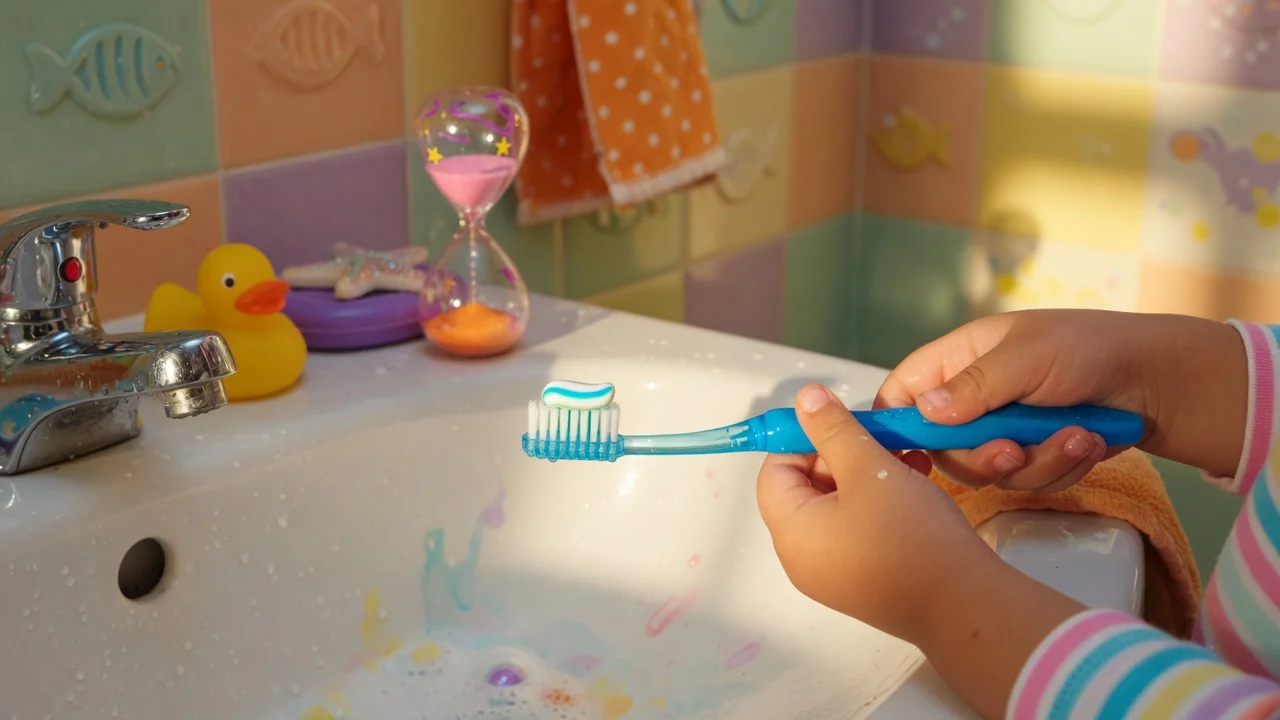
Fluoride strengthens enamel and helps reverse very early decay before a hole forms. Use a pea-sized amount of fluoride toothpaste for children (a rice-grain smear for toddlers), and spit rather than rinse heavily so a little fluoride stays on the teeth. Your dentist may recommend professional fluoride varnish for kids—or for adults with higher risk.
Rethink Snacking and Sipping
Try to keep sweets and starches with meals rather than as constant between-meal snacks. When you do snack, pair carbs with protein or fat when possible, and follow with water. Limit sugary drinks, sports drinks, and frequent juice. If you enjoy soda or sweet tea, use a straw, do not sip for hours, and wait about 30 minutes before brushing so softened enamel can reharden.
Sealants for Kids (and Some Adults)
The chewing surfaces of molars have deep grooves that trap plaque. Dental sealants are thin protective coatings painted onto those grooves. They are quick, painless, and highly effective at preventing cavities in back teeth—especially for children and teens. Ask us whether sealants are a good fit for your child at your next checkup.
Do Not Ignore Small Problems
A small cavity is much easier to treat than a large one. When decay grows, you may need more extensive care such as dental crowns in Goodlettsville, TN to restore strength and function. Catching issues early saves time, money, and tooth structure.
Special Notes for Parents
Children’s enamel is thinner than adult enamel, and developing habits take time. Baby teeth matter—they hold space for permanent teeth and help with speech and nutrition. Cavities in baby teeth can cause pain, infection, and problems for the teeth coming in behind them.
Helpful parent tips include:
- Never put a baby to bed with a bottle of milk, formula, or juice.
- Start cleaning gums even before teeth erupt; switch to a tiny brush when the first tooth appears.
- Make the first dental visit by age one or when the first tooth comes in. Our first dental visit page explains what to expect so the experience feels calm and positive.
- Be a role model. Kids copy what they see—brush and floss together when you can.
If cost is a concern, talk with our team about dental insurance in Goodlettsville and payment options. Preventive care is almost always less expensive than waiting until a toothache forces emergency treatment.
Adults Get Cavities Too
Cavities are not just a childhood issue. Adults face risks from receding gums (which expose softer root surfaces), dry mouth from medications, busy schedules that squeeze out flossing, and old fillings that can leak or wear down at the edges.
Stay consistent with cleanings and exams. Tell us about new medications, sensitivity, or dark spots you notice. We would rather check a small concern than repair a large problem later. For more family-friendly tips and oral health updates, explore our dental blog.
When to Call the Dentist
Book a visit if you notice tooth sensitivity to sweet, cold, or hot; visible holes or brown/black spots; pain when biting; or floss that consistently shreds in one spot. Some cavities cause no symptoms at first, which is why routine X-rays and exams are so valuable.
If it has been a while since your last cleaning, do not feel embarrassed. Our team at Goodlettsville Family Dentist is here to help you move forward, not to judge. We serve families across Goodlettsville with practical, compassionate care focused on prevention first.
Putting It All Together
So, what causes cavities? In short: cavity-causing bacteria in plaque feed on sugars and starches, produce acid, and—when saliva and hygiene cannot keep up—enamel breaks down. Prevention is a team sport between your daily habits and professional care.
Focus on these fundamentals:
- Brush with fluoride toothpaste twice daily using gentle, thorough technique
- Floss once a day
- Limit frequent sugar and starch exposure
- Stay hydrated and support healthy saliva
- Use sealants and professional fluoride when recommended
- Keep regular dental checkups and cleanings
Small, steady habits protect smiles at every age. You do not need perfection—just consistency and a dental home that knows your family.
Schedule your appointment at Goodlettsville Family Dentist today. Call us at (615) 855-0087 or visit our office at 919 Conference Drive Ste 5, Goodlettsville, TN 37072.