
How to Choose the Right Toothbrush: Goodlettsville Dentist Recommendations
Walking down the oral care aisle can feel overwhelming. Rows of manual brushes, electric models, soft bristles, medium bristles, angled heads, and fancy timers all compete for your attention. If you have ever wondered how to choose a toothbrush that actually supports healthy gums and a brighter smile, you are not alone.
At Goodlettsville Family Dentist, we talk with patients every week about the simple tools that make the biggest difference at home. Your toothbrush is one of them. The right one can help prevent cavities, reduce plaque, and keep your gums comfortable. The wrong one can leave areas untouched or even irritate sensitive tissue.
This buying guide breaks down dentist-approved advice on manual vs. electric options, bristle types, replacement frequency, and a few extras worth considering. By the end, you will know exactly what to look for the next time you shop.
Why Choosing the Right Toothbrush Matters
Brushing twice a day is one of the most effective habits for preventing tooth decay and gum disease. But technique and tools work together. A brush that is too hard can wear down enamel and push gums back over time. A head that is too large may miss the back molars. A worn-out brush simply cannot clean as well as a fresh one.
Think of your toothbrush as a daily partner in preventive care. When it fits your mouth, your grip, and your needs, you are far more likely to brush thoroughly and consistently. That consistency is what protects your smile between professional cleanings.
Electric vs. Manual: Which Toothbrush Is Better?
This is the question we hear most often. The honest answer is that both can work extremely well when used correctly. The “best” choice depends on your habits, dexterity, and preferences.
Manual Toothbrushes
Manual brushes are affordable, easy to travel with, and available everywhere. A good manual toothbrush with soft bristles and a comfortable handle can remove plaque effectively if you use gentle, circular motions and spend a full two minutes brushing.
They are a solid choice if you already have strong brushing habits and prefer simplicity. Just be mindful not to scrub too hard. Many people press with more force than they realize when using a manual brush.
Electric Toothbrushes
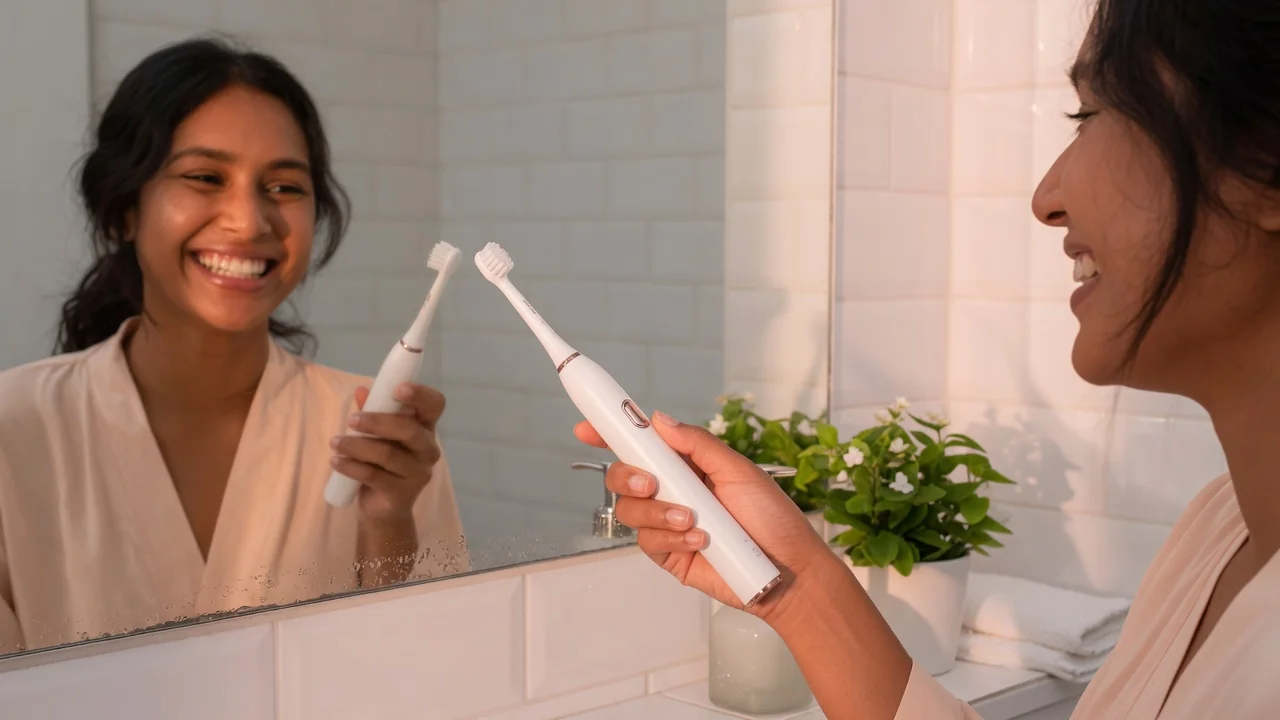
Electric and battery-powered brushes do a lot of the work for you. Oscillating, rotating, or sonic bristle movements can help disrupt plaque along the gumline and between teeth. Many models include built-in two-minute timers and pressure sensors, which are especially helpful if you tend to rush or brush aggressively.
Electric options can be particularly useful for kids learning good habits, adults with limited hand mobility, orthodontic patients, and anyone who wants a little extra help staying consistent. If you are comparing costs, remember that many dental insurance plans focus on cleanings and restorative care rather than home tools, so an electric brush is usually an out-of-pocket investment that pays off in easier daily care.
Our recommendation: Choose the style you will actually use twice a day. An electric brush left on the counter helps no one. A well-used manual brush is better than an ignored gadget.
Bristle Type: Soft Is Almost Always Best
When patients ask how to choose a toothbrush, bristle firmness is one of the most important details. We strongly recommend soft bristles for nearly everyone.
Soft bristles flex enough to clean along the gumline without scraping enamel or irritating gums. Medium and hard bristles may feel like they are “doing more,” but they can contribute to enamel wear, root exposure, and gum recession over time—especially if you brush with a heavy hand.
If your teeth or gums are sensitive, look for extra-soft bristles. People recovering from dental work or managing gum concerns often find them more comfortable while still effective.
Also check that the bristles have rounded tips. Quality brushes are designed this way to reduce irritation. Avoid bargain brushes with sharp or uneven bristle ends when you can.
Toothbrush Head Size and Shape
A smaller brush head is usually better than a bulky one. You want to reach the back teeth, the inside surfaces, and along the gumline without fighting for space.
For most adults, a compact or medium head works well. Children need age-appropriate smaller heads so they can maneuver comfortably. Angled necks and tapered bristle patterns can help the brush follow the natural curve of your teeth, but the basics—soft bristles and a head that fits—matter more than fancy shapes.
Hold the brush in the store if possible. The handle should feel secure in your hand, whether it is slim, contoured, or non-slip. Comfort encourages better brushing.
How Often Should You Replace Your Toothbrush?
Even the perfect brush will not stay perfect forever. We recommend replacing your toothbrush—or electric brush head—every three to four months.
Replace it sooner if:
- The bristles look frayed, bent, or flattened
- You have recently been sick with a cold or flu
- The brush has a lingering odor or visible buildup you cannot clean away
Frayed bristles do not clean as effectively and can be harsher on your gums. Many electric brands sell replacement heads on a subscription schedule, which makes it easier to stay on track. For manual brushes, keep a spare on hand so you are never stuck using a worn-out one.
Tip: When you schedule your regular checkup, use that visit as a reminder to swap in a fresh brush afterward. It is a simple habit that supports everything we do for you in the chair.
Special Situations to Consider
Not every mouth has the same needs. A few situations call for extra thought when choosing a toothbrush:
- Braces or aligners: Orthodontic patients often benefit from electric brushes and compact heads that clean around brackets and wires. Consistent home care protects your investment in a straighter smile, whether you are in traditional braces or exploring options like Invisalign.
- Gum sensitivity or recession: Extra-soft bristles and a light touch are essential. An electric brush with a pressure sensor can prevent accidental scrubbing.
- Limited dexterity: Larger handles, adaptive grips, or electric models can make thorough brushing easier for older adults or anyone with arthritis.
- Kids: Choose a child-sized soft brush, consider fun characters or colors to build excitement, and supervise until they develop solid technique—usually around age seven or eight.
If you are unsure which features fit your situation, bring it up at your next visit. Personalized advice is one of the best parts of having a dental home.
Technique Still Matters More Than Gadgets
The best toothbrush in the world cannot compensate for rushed or incomplete brushing. Aim for two full minutes, twice a day. Angle the bristles about 45 degrees toward the gumline, use gentle circular motions, and cover every surface—outer, inner, and chewing.
Do not forget to clean your tongue and finish with floss or interdental cleaners. Brushing alone misses the tight spaces between teeth where cavities love to start.
Pair good tools with professional care. Routine exams and cleanings catch issues early and give you a chance to ask questions about products, whitening goals, or cosmetic options. You can always browse helpful tips on our dental blog between visits, too.
A Quick Checklist: How to Choose a Toothbrush
Before you check out, run through this short list:
- Soft or extra-soft bristles with rounded tips
- Head size that comfortably reaches your back teeth
- Handle that feels secure in your hand
- Manual or electric—whichever you will use consistently
- Plan to replace it every three to four months
- ADA Seal of Acceptance when possible, for added quality assurance
That is truly most of what you need. Marketing claims about charcoal bristles, extreme firmness, or miracle results are less important than these fundamentals.
Ready for a Healthier Smile Routine?
Learning how to choose a toothbrush is a small step with a big payoff. Soft bristles, a well-fitting head, timely replacements, and steady twice-daily habits go a long way toward healthier gums and stronger teeth. Whether you prefer a classic manual brush or a feature-packed electric model, the goal is the same: clean gently, clean thoroughly, and clean every day.
If it has been a while since your last cleaning, or if you want personalized product recommendations for your smile, we would love to help. New patients can learn what to expect on our first visit page, and our team is always happy to walk you through home-care questions in person.
Schedule your appointment at Goodlettsville Family Dentist today. Call us at (615) 855-0087 or visit our office at 919 Conference Drive Ste 5, Goodlettsville, TN 37072.